The Measures Taken
A defunct site housing papers, articles and lengthier disquisitions by Owen Hatherley, now blogging only at Sit down man, you're a bloody tragedy.Tuesday, November 28, 2006
The Robinson Institute
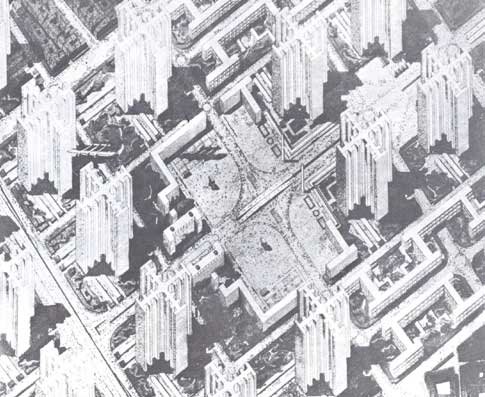
Patrick Keiller, The City of the Future
In or about December 1910, human character changed. All human relations have shifted - those between masters and servants, husbands and wives, parents and children. And when human relations change, there is at the same time a change in religion, conduct, politics and literature.
Virginia Woolf, 'Mr Bennett and Mrs Brown', 1923
We have been cheated out of the future. Patrick Keiller's films have always carried this disappointment about them, the shabbiness of London or the security landscape of Robinson in Space filling the gap where the Ville Radieuse could have been. This was tackled in what Keiller now refers to as his 'naughty film', the seemingly impossible to see The Dilapidated Dwelling, on the increasing tendency of the 21st century to live in the houses of the 19th or 18th century: something those centuries would have found inconceivable.
It still feels like a peculiar gesture though, to follow these films with a project made up of around 60 films from the 1900s, which are then spun into a coherent narrative on the one hand, or on the other affixed to map of the world, with highlighted cities or streets taking you via a click to footage of that area in the first decade of the 20th century. We are in fairly Borges-like territory here, wheeling from Shanghai to New York to Liverpool, zeroing in on discrete streets with lunatic exactitude. It isn't entirely clear what this project is, and what he presented at University College's Engineering Building - fittingly, up a steely, Solarisesque corridor - could have been the material for several films, installations (it has been presnted as such) or as a CD-ROM in the vein of Chris Marker's Immemory. It does help, perhaps, to have Keiller himself - small, self-effacing, perhaps surprising some by a lack of resemblance to his usual narrator, Paul Schofield - talk you through the city.
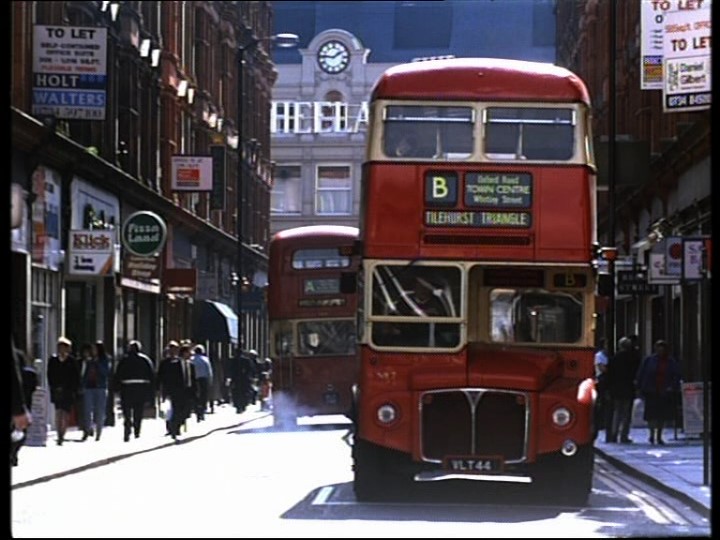
One of the more immediately striking things about Keiller's work has always been the static nature of the camera. A tripod is plonked somewhere, the film runs, edit to next static shot. There is, more or less, only one other precedent to this technique, and that would be in the prehistory of cinema. In the form as it existed before editing, camera movements, before the impostion of obvious intention onto the image, roughly between 1900 and 1910. Such a film might be 'Busy London', one of the cogs of Keiller's future city. This is a view of a traffic intersection from the top of the Mappin & Webb building at Mansion House, in the square mile. A wall of buses, people hanging by the staircases, horse & carts and the occasional car, all dispassionately watched by the camera eye. This film is well-known enough- it shows in the Museum of London, in fact - but its strangeness needs recontextualisation to be appreciated.
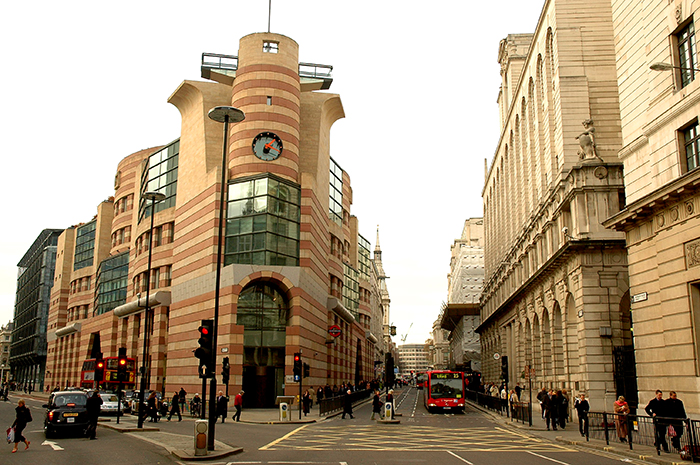
What happens to this corner half a century or so later is interesting for these purposes. The corner from which this sliver of a film was taken was bought by a property developer in the 60s, who asked one of the most famous proponents of the city of the future, Mies van der Rohe, to design a tower for the site. He finished this design just before his death in 1969. After a decade or two of wrangling, the proposal was eventually defeated, partly by the intervention of Prince Charles. The Mappin & Webb building he and his ilk wanted to save was demolished regardless, and replaced by James Stirling's #1 Poultry, an ice cream coloured example of 'fun' architecture that, unlike Mies, respected the street pattern, was striking but not too unfamiliar, and most importantly pleaded continuity. Hence, as Keiller points out, what is new doesn't feel new, it cleaves to the same patterns and shapes, makes its apologies to the old. This was true earlier in the century. Classicists, because of their pleas of continuity, have always been more inclined to demolish masterpieces than have Modernists, always rather wary of doing so to avoid the cries from stage right: a Corbusier who would bulldoze half of Paris was always quite rare.

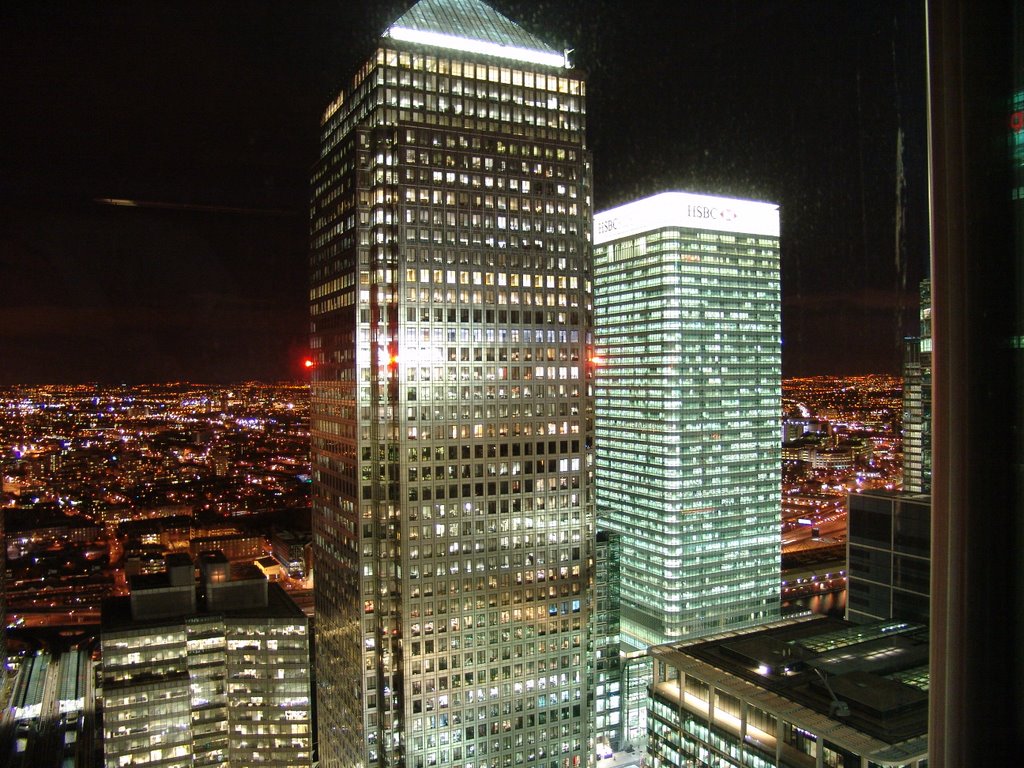
In the 1920s John Soane's Bank of England and Nash's Regent St were knocked down by traditionalists, who would nonetheless replace them with something unthreatening. Though without the aesthetic distinction of what they demolished, they at least didn't shock, they didn't evoke the city of the future. Reginald Blomfield, demolisher of Regent St, was a prominent lambaster of 'Modernismus', deriving as it did 'from the dubious continent of Europe' and a Trojan Horse for Bolshevism. This is more or less what most streets are like now: mostly the old stuff, some things a bit like the old, with the walkways, hovercars and skyscrapers we were promised fenced off in self-contained little future reservations like the Isle of Dogs or the riversides, playgrounds for the plutocracy.

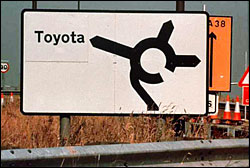
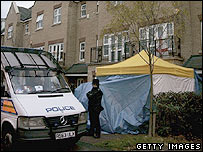
This is shown most stunningly by a series of images - which may or may not be in the eventual film - which present typical British 20th century cityscapes with an overlaid image from 100 years earlier in the middle, emphasising the continuity between the two. The differences that there are can be extremely telling, mainly in the case of traffic. In 1907 (or whenever) the city folk walk around the roads, maybe weaving in and out of the path of a bus. Now one of two things has happened: either the traffic makes the street fundamentally impassible, or the area is pedestrianised, being an area where commerce necessitates a conditional taming of the car. There are places where this just wouldn't work: Shanghai, looking unrecognisable in one of the short films, or Canary Wharf: but the British city seems to be the real target here, for all its gestures of internationalism. The national specficity of the blank neo-Georgian London brick terrace in Muswell Hill where Litvinenko was presumably given his dose of Polonium 210.
The impotence in the face of the past, and the forelock-tugging at the delapidated is very much a British phenomenon, and a fairly recent one: something possible by dint of distance from the petty grimness of the 19th century. Keiller, as a former pupil of Reyner Banham, was from the generation 'when St Pancras station was ugly'. The city of the future, which, as he quotes Orwell quoting 'Bernstein' (read: Trotsky) in Nineteen Eighty Four's book-wthin-a-book, The Theory and Practice of Oligarchal Collectivism, would be made of snow white concrete, steel and glass. Keiller, a little parochially, dates this as ending in the early 70s when the London County Council stopped building it. This is where the Victorian revival starts. Jarvis Cocker talked in Mojo last month about how in the 60s and 70s people were throwing out their Victoriana and repalcing it with Formica, only to bring the wooden fireplaces back in the 1980s. And as Keiller points out, the revival of 19th century architecture would precede by 5 years or so the revival of Victorian economics.
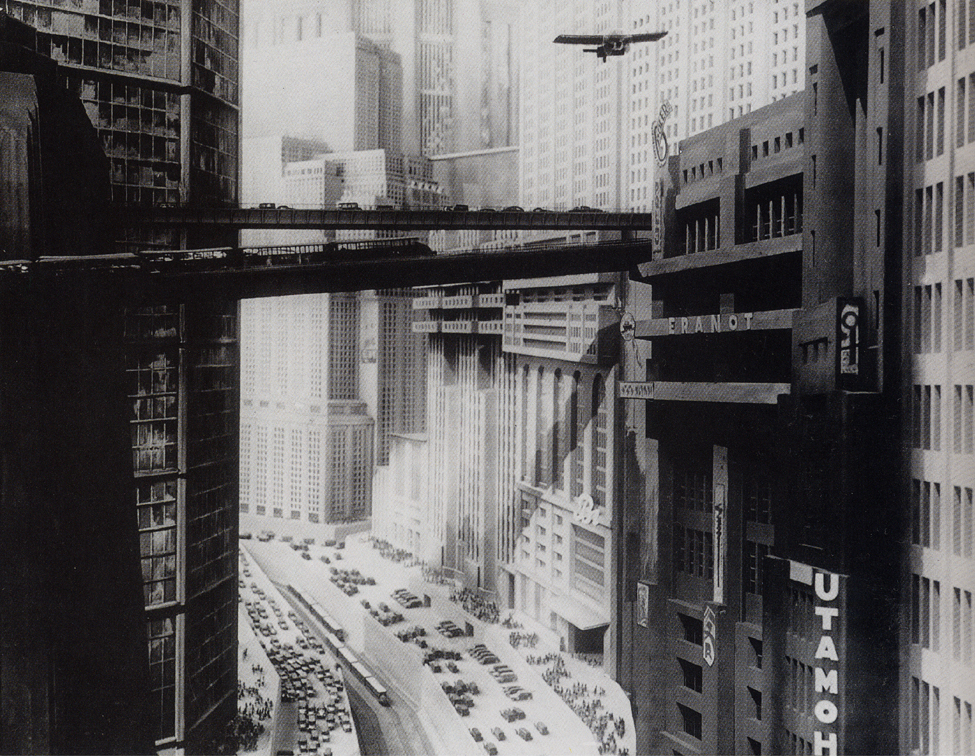
From 1900 to 1910 is where the possibilities emerge for the city of the future, and at its cut off point is where the future actually begins, before the First World War sets it stumbling. Lefebvre is invoked, making a similar point to Woolf that something, almost imperceptibly but irrevocably was shattered in those few years. You can look at these short films, with their panoramas from moving trains or buses of Liverpool Docks, Ealing suburbs, Nottingham precincts, and try and guess at this shattering. Perhaps most fascinating here is the narrative film Keiller has made out of the future material: a La Jetee counterfactual, where a time traveller tries to avert many of the 20th century's horrors by taking out a German travel writer and proto-Nazi, the fiction suddenly giving a horribly sinister air to the protagonists who would look merely cute when presented by Dan Cruikshank glossing Mitchell & Kenyon. The slowness of the films helps with this. Static, they allow thought, and with it the sense of the mutability of space, of history. The fact that the cul de sac we're marching up could still be a geometric walkway, criss-crossing the city of the future.
posted by owen hatherley # 11:30 AM 
Comments:
<< Home
情人節|伊莉,情趣商品,情色文學,
G點,按摩棒,轉珠按摩棒,變頻跳蛋,跳蛋,無線跳蛋,
飛機杯,男用強精長軟質套,男用強精短軟質套,充氣娃娃,男性性感內褲,性感內褲,
自慰套,自慰套,情趣娃娃,自慰器,電動自慰器,充氣娃娃,
角色扮演,角色扮演服,
性感睡衣,情趣睡衣,性感內衣褲,性感內衣,內衣,性感內褲,C字褲,內褲,
性感貓裝,性感睡衣,貓裝,吊帶襪,情趣內褲,丁字褲,SM道具,SM,
震動環,潤滑液,情趣禮物,情趣玩具,威而柔,精油,逼真按摩棒,數位按摩棒,
情趣加盟,情趣,情趣用品,巴黎,
Post a Comment
G點,按摩棒,轉珠按摩棒,變頻跳蛋,跳蛋,無線跳蛋,
飛機杯,男用強精長軟質套,男用強精短軟質套,充氣娃娃,男性性感內褲,性感內褲,
自慰套,自慰套,情趣娃娃,自慰器,電動自慰器,充氣娃娃,
角色扮演,角色扮演服,
性感睡衣,情趣睡衣,性感內衣褲,性感內衣,內衣,性感內褲,C字褲,內褲,
性感貓裝,性感睡衣,貓裝,吊帶襪,情趣內褲,丁字褲,SM道具,SM,
震動環,潤滑液,情趣禮物,情趣玩具,威而柔,精油,逼真按摩棒,數位按摩棒,
情趣加盟,情趣,情趣用品,巴黎,
# posted by  : 1:47 AM
: 1:47 AM<< Home
Archives
May 2005 June 2005 July 2005 August 2005 September 2005 October 2005 November 2005 December 2005 January 2006 March 2006 April 2006 May 2006 June 2006 August 2006 September 2006 November 2006 February 2007 April 2007 May 2007 August 2007 November 2007 February 2008 June 2008 November 2008 January 2009 May 2009 June 2009 November 2009
did you agree to the measures taken?also
- Archinect
- Audacity
- Blueprint
- Building Design
- Frieze
- Historical Materialism
- MONU
- New Humanist
- New Statesman
- Nothing to See Here
- Perforations
- Socialist Review
- Socialist Worker
- The Weblog
- Wikipedia
- The Wire
- Ads Without Products
- Aloof From Inspiration
- Beyond the Implode
- Beyond Beyond the Implode
- Blissblog
- Degradation Ceremony
- End Times
- Entschwindet und Vergeht
- Fantastic Journal
- I Like
- The Impostume
- Infinite Thought
- Institute for Conjunctural Research
- Homo Ludens
- Kosmograd
- K-Punk
- Lenin's Tomb
- The Mire
- No Useless Leniency
- Poetix
- Screened Out
- Sea Songs
- Socialism and/or Barbarism
- Things Magazine
- Voyou Desoeuvre
- We Are Bad
- The Twentieth Century Society
- City of Sound
- The Sesquipedalist
- The Joy of Concrete
- no2self
- Architecture in Berlin
- City of Sound
- Entschwindet, das CV
- Dismantled King is Off the Throne
- SuperSpatial
- (what is this)
- Progressive Reactionary
- Russian Utopia Depository
- Maraid Design
- Sevensixfive
- Varnelis
- Architechnophilia
- Slab
- Part IV
- Strange Harvest
- Atelier A&D
- Archislave
- Candyland
- Flickr Brutalism
- From Here to Modernity
- Skyscraper City
- Monuments of the Future
- Archigram
- Chernikov Virtual Museum
- Chernikov Archive
- Gabion
- 0lll
- Shicklerart
- Constructivism in Arhitecture
- Unmitigated England
- YouTube Meades Shrine
- Enchanted Isle
- Boredom is always Counter-Revolutionary
- Antiflaneur
- Cracks in the Fabric
- Mapping Melbourne
- BLDGBLOG
- Lumpen Orientalism
- English Heretic
- Sub-Urban
- Punk Planning
- Subterranea Brittanica
- Diary of a Bluestocking
- Life without Buildings
- The Box Tank
- Condencity
- Nobody There
- Subtopia
- Metropolis
- aggregat4/5/6
- Architectures of Control
- The London Particular
- Ritual Landscape
- Dancing Bears
- Charles Holden
- London Destruction
- Derelict London
- Greenwich Phantom
- Classic Cafes
- London belongs to Me
- Transpontine
- Londonist
- Straight Outta Clapton
- London Transport Poster Archive
- Plakaty.Ru
- Revolution by Design
- Russian Poster
- Flickr USSR Posters
- Stefan Landsberger's Chinese Propaganda Poster Pages
- Russian Civil War Posters
- Stenberg Brothers
- Soviet Poster A Day
- The Poster Prop Page
- Russian Posters at allposters
- Militant Esthetix
- Savage Messiah
- Click Opera
- Snegourotchka
- New Plastic Ideas
- Modern Missives
- The Beasthouse
- Eurhythmania
- Petite Sophist
- Missing Dust Jacket
- Au carrefour étrange
- Triangular Sun
- Paperpools
- Feast of Palmer
- Cinders and Dust
- American Stranger
- Culturemonkey
- Enthusiasm
- Tom Roper's Weblog
- And you may find yourself...
- Rabbits, Toyen and so forth
- Grammar Police
- The Stomach Room
- Whore Cull
- Cigarette Smoking Blog
- Carceraglio
- David Byrne's Blog
- A Personal Miscellany
- &so this is christmas
- Taylor Parkes' Alternatives to Suicide
- smokewriting
- Cultural Parody Centre
- Tangerines in a Red Net Bag
- St Blaize
- Altering Labyrinth
- Colour of Memory
- Mountain7
- Chained to the Cinematheque
- Elusive Lucidity
- Faster than Instant Noodles
- Kino Slang
- Kinoblog
- Greencine Daily
- Senses of Cinema
- Girish
- Bright Lights after Dark
- Sphaleotas
- In The Realm of the Senses
- Raccoon: Notes and Scavengings
- Supposed Aura
- Roger Ebert
- Notes on Rhetoric
- Limited, Inc
- The Pinocchio Theory
- An und Für Sich
- Object-Oriented Philosophy
- Splintering Bone Ashes
- The Immeasurable Excess
- Bourgeois Sociology
- Jane Dark's Sugarhigh!
- Museum of Doubt
- Almost not There
- Planomenology
- Varieties of Unreligious Experience
- Random Variable
- Radical Philosophy
- Red Thread(s)
- Limited Language
- Lapsed Modernist
- Irrational Numbers
- Walter Benjamin Research Syndicate
- Long Sunday
- Metastable Equilibrium
- Larval Subjects
- Radio Free Narnia
- Hyperstition
- Reading the Maps
- Parole
- Herbert Marcuse Online
- Citta Violenta
- Ballardian
- Barbaric Document
- M John Harrison
- Mayakovsky and his Circle
- Troglodytes Troglodytes
- B.S Johnson
- Sir Percy
- heronbore
- interrupted transmission
- The Far Queue
- The Invaluable Marxists.org
- Chto Delat?
- Chto Delat Blog
- A Gringo in the Bolivarian Republic
- Marx and the Financial Crisis
- Radical Perspectives on the Crisis
- Little Red's Resolution Trust
- Mute
- Encyclopaedia of Decency
- Unstrung
- Louis Proyect, Unrepentant Marxist
- Iron Curtain Call
- Adventures in Historical Materialism
- Situationist International Online
- The Soul of Man Under Capitalism
- Speak You're Branes
- The Music of Weapons
- 3arabawy
- Virtual Stoa
- Green Galloway
- Further Left
- Counterpunch
- Dreaming Neon Black
- General, Your Tank is a Powerful Vehicle
- The Curmudgeonly
- Complex System of Pipes
- Apostate Windbag
- Progressive Gold
- Jews sans frontieres
- Somedisco
- Kotaji
- Qlipoth
- Praxis
- Bctzoiwp
- John Molyneux
- What in the Hell
- Le Colonel Chabert
- A Very Public Sociologist
- Through the Scary Door
- pas-au-dela
- Trinketization
- Law and Disorder
- Houzan Mahmoud
- Post-politics in Depth
- Mentasms
- Fangirl (archives)
- Skykicking
- Attic Plan
- Airport through the Trees
- Monster Bobby
- Run Away Home
- Quietus
- History is Made at Night
- The Blue In The Air
- Pop Life
- Uncarved
- Four Four
- Pop Feminist
- The Drexciya Research Lab
- Mapsadaisical
- Woebot
- Sasha Frere-Jones
- The Original Soundtrack
- House is a Feeling
- Popjustice
- Quiet Talks and Summer Walks
- Dissensus
- Blogglebum Cage
- Euro Like Me
- Backhaus
- Enthusiastic but Mediocre
- Goodnight London
- Dirrrty Pop
- Philip Sherburne
- FURTHER MISÅDVENTURES beneath the ÜNDERFELT of NØISE
- The Rambler
- Gutterbreakz
- Kid Shirt
- Trunk
- Kraftwerk
- Delia Derbyshire
- Fluxblog
- We are IE
- an idiot's guide to dreaming
- Blackdown
- polystyle desu
- Deeptime
- Ripley
- Les Temps Modernes
Dies sind die besten
bauen
raum
die große Warze
plakat
Ästhetik
kino
denken
poetik
Politik, Geschichte
musik non-stop
